Why the most forward-thinking architects are specifying human-centric lighting systems before the foundation is poured
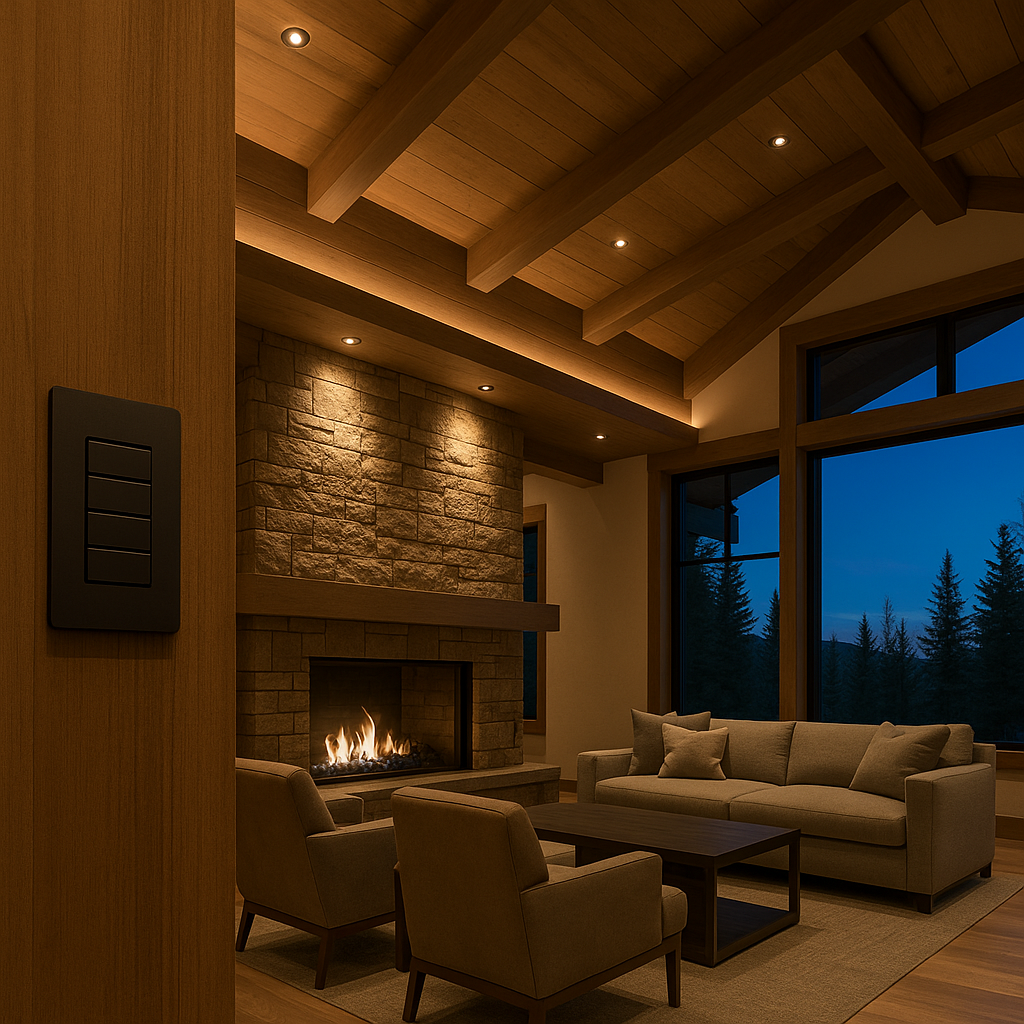
Walk into any well-designed Colorado mountain home at midday. Floor-to-ceiling windows frame dramatic peaks. Natural light floods the great room. The connection between indoors and outdoors feels complete.
Now visit that same home at 9 PM in December. The owners squint under harsh overhead fixtures. Their bodies haven’t registered that evening has arrived. Sleep problems follow. The beautiful architecture that celebrated daylight now fights against it.
This disconnect represents one of the most overlooked opportunities in residential design. Circadian lighting systems solve it by automatically shifting color temperature throughout the day. They mirror the sun’s natural progression from warm morning tones to bright midday light and back to warm evening hues.
For architects working on Colorado mountain homes, understanding this technology isn’t optional anymore. Homeowners increasingly request it. Interior designers recommend it. And when specified early, it integrates invisibly into your vision rather than compromising it.
The Science Behind the Specification
Human biology evolved under natural light cycles. Our bodies use light cues to regulate sleep, hormone production, mood, and cognitive function. The blue wavelengths present in midday sunlight signal alertness. Warmer tones in morning and evening light prepare us for rest.
Modern indoor environments disrupt these signals. Standard LED fixtures emit a constant color temperature regardless of time. This confuses our circadian rhythms, contributing to sleep disorders, reduced productivity, and long-term health concerns.
Circadian lighting systems address this by automatically adjusting color temperature throughout the day. Morning light might deliver warm 2700K tones. Midday shifts toward energizing 5000K or higher. Evening returns to amber warmth, eliminating the blue wavelengths that suppress melatonin production.
The market recognizes this value. Human-centric lighting is projected to grow from $3.5 billion to over $22 billion by 2032. Luxury homeowners now expect wellness features as standard amenities, not premium add-ons.
Why Colorado Mountain Homes Demand This Approach
Colorado’s high-altitude environment creates unique lighting challenges that make circadian systems particularly valuable.
Intense UV Exposure
At 8,000 to 10,000 feet, UV radiation measures 28 to 42 percent higher than at sea level. Colorado’s 300-plus sunny days compound this intensity. While homeowners celebrate the sunshine, it creates real problems inside their homes.
Unfiltered daylight streaming through expansive windows fades furnishings, artwork, and flooring at accelerated rates. A $50,000 rug positioned in a west-facing great room can show visible damage within two years. Automated shading integrated with circadian lighting protects these investments while maintaining views.
Dramatic Seasonal Variation
Winter days in the mountains bring low sun angles and extended darkness. Summer delivers intense overhead light until after 8 PM. This seasonal swing affects both interior light quality and occupant wellness.
Systems that automatically adjust to astronomical time and solar position ensure consistent circadian support year-round. A home that functions beautifully in July also nurtures its occupants in January’s darkness.
Glare Management
Morning sun reflecting off snow. Afternoon glare from west-facing slopes. These conditions make manual control impractical. Integrated automated shading responds to real-time conditions, maintaining optimal interior light levels while the circadian lighting system fills gaps left by closed shades.
Indoor-Outdoor Transitions
Mountain homes blur the line between inside and outside. Covered porches, sliding glass walls, and outdoor living spaces all need coordinated lighting. When interior and exterior systems work together, transitions feel natural rather than jarring.
The $50,000 Mistake: Timing Matters
Here’s where architects hold significant power over project outcomes. Circadian lighting specified during schematic design integrates seamlessly. The same system attempted during finish selections creates expensive compromises.
Early Specification Benefits
When lighting design happens alongside architectural development, several things become possible:
- Electrical rough-in accommodates tunable fixtures from the start
- Ceiling depths and soffits can hide necessary components
- Control wiring routes through walls before drywall closes them
- Fixture locations align with architectural intentions
- Shading pockets integrate into window framing
This coordination typically costs 25 to 30 percent less than retrofit approaches. More importantly, it produces superior results. The technology disappears into the architecture rather than being bolted onto it.
Late Specification Consequences
Projects that defer lighting decisions until interior design face predictable challenges:
- Electricians must return to completed spaces
- Surface-mounted solutions replace flush integration
- Control wiring runs through conduit on finished walls
- Fixture options narrow to what fits existing conditions
- Compromises accumulate across every room
We’ve worked with architects who learned this lesson on earlier projects. They now bring integration partners into schematic design discussions as standard practice. Their clients benefit from better outcomes at lower total cost.
What Architects Need to Know About Specification
Effective circadian lighting requires three integrated components: tunable fixtures, intelligent controls, and coordinated shading. Each carries specification implications.
Tunable Fixtures
Not all LED fixtures support color tuning. Circadian-capable options range from 1400K to 10000K, covering the full spectrum from candlelight warmth to brilliant daylight. Quality fixtures maintain consistent output and color rendering across this range.
DMF Lighting offers architectural-grade options optimized for circadian performance. Their fixtures integrate with standard mounting systems while delivering the color accuracy these applications demand. Crestron’s lighting solutions provide another proven path for projects requiring enterprise-grade reliability.
When specifying, consider these requirements:
- Full-range tuning capability (minimum 2700K to 6500K)
- High color rendering (CRI 90+ minimum, 95+ preferred)
- Dimming compatibility with chosen control system
- Mounting depths appropriate for construction type
- Driver accessibility for future maintenance
Intelligent Controls
Circadian lighting without automation is like heated seats without a switch. The value exists only when the system operates automatically.
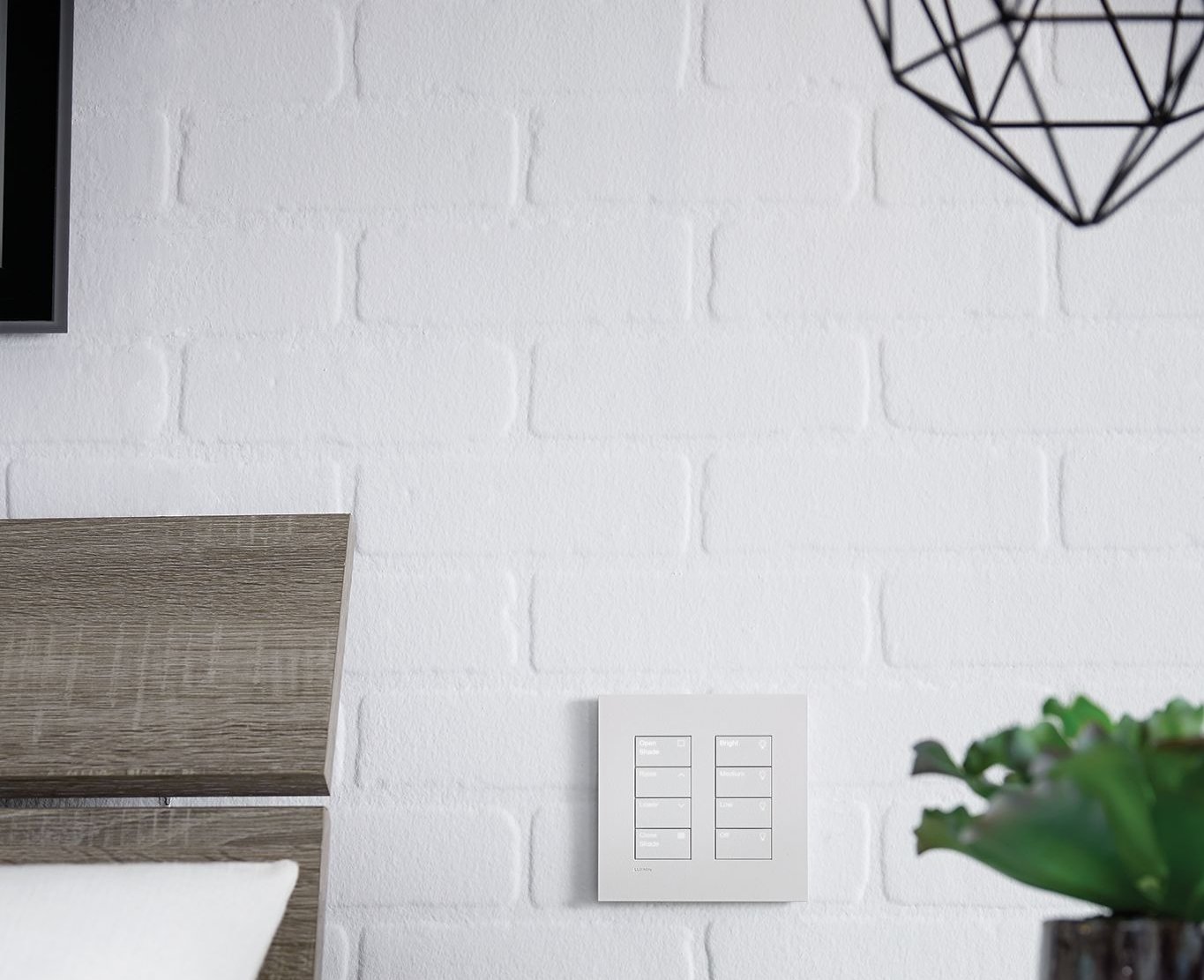
Crestron’s automation platforms read the sun’s actual color temperature and position, adjusting interior lighting in real time. This goes beyond simple scheduling. The system responds to actual conditions, cloud cover, and occupancy patterns.
Control specification should address:
- Astronomical time clock integration
- Light sensor inputs for adaptive response
- Zone definitions matching room usage patterns
- Scene programming for activities (morning routine, evening relaxation, entertaining)
- Integration pathways with HVAC and other building systems
Coordinated Shading
In Colorado’s intense light environment, shading isn’t optional. Motorized treatments integrated with lighting control enable true circadian optimization.
Shading should be specified to:
- Track solar position automatically
- Respond to light sensors indicating glare conditions
- Coordinate with lighting scenes for smooth transitions
- Protect UV-sensitive materials during peak exposure
- Maintain views whenever conditions allow
Collaboration Makes the Difference
Research from NKBA and CEDIA reveals a gap worth addressing. Only 14 percent of designers report working with professional integrators, yet 40 percent cite lighting controls as their clients’ most-requested feature. This disconnect costs everyone.
When architects engage integration partners early, several benefits emerge:
Simplified Coordination
Lighting, shading, and control documentation integrates with architectural drawings. Electricians receive consolidated information. Field coordination issues that typically add weeks to mountain home timelines simply don’t occur.
Protected Design Intent
Your vision for each space guides technology decisions rather than the reverse. Fixture styles, control interface aesthetics, and shading fabrics align with interior design direction. The technology serves the architecture.
Reduced Change Orders
Early collaboration identifies conflicts before they reach the field. Questions about ceiling depths, wiring routes, and fixture placement get resolved on paper. This predictability benefits everyone’s schedule and budget.
Enhanced Client Experience
Homeowners receive systems that actually work as intended. Training happens before move-in. Adjustments address real usage patterns. The sophisticated technology feels effortless rather than frustrating.
Making the Case to Clients
Some homeowners immediately understand circadian lighting’s value. Others need help connecting the dots. Here’s how to frame the conversation.
Lead with Wellness
Sleep quality affects every aspect of life. Circadian lighting supports natural sleep patterns by providing appropriate light cues throughout the day. For clients who travel frequently, these systems help reduce jet lag by maintaining consistent light exposure at home.
Address Protection
Colorado’s UV intensity damages interiors. Integrated shading controlled by the lighting system protects significant investments in furnishings, art, and finishes. The cost of protection compares favorably to the cost of replacement.
Emphasize Experience
Describe what morning feels like when lighting gently brightens with warm tones. Explain how afternoon work sessions benefit from energizing light. Paint the picture of evenings that naturally wind down as fixtures shift to amber warmth.
Connect to Other Priorities
Clients building mountain homes typically value the natural environment. Circadian lighting extends nature’s rhythms indoors. It’s a design philosophy that honors their connection to Colorado’s remarkable setting.
Implementation Considerations for Mountain Properties
Several factors specific to high-altitude construction affect circadian lighting implementation.
Altitude Effects on Equipment
Electronics run warmer at elevation due to reduced air density. Lighting drivers and control processors need adequate ventilation. Specification should account for thermal management, particularly in enclosed spaces like equipment closets.
Construction Material Challenges
Heavy timber and stone construction common in mountain homes creates unique mounting situations. Fixture specification should consider structural constraints. Controls integration benefits from early coordination with framing plans.
Remote Property Realities
Many Colorado mountain homes serve as second residences. Systems must operate reliably during extended vacancies. Remote monitoring and adjustment capabilities ensure proper function even when owners are away.
Seasonal Considerations
Construction windows in mountain communities run May through October. Technology decisions made early in design development avoid delays when the building season arrives. This timing pressure makes schematic-phase collaboration essential.
What Success Looks Like
A well-executed circadian lighting installation disappears into daily life. Occupants don’t think about their lighting. They simply sleep better, feel more energized during daylight hours, and find their home comfortable regardless of season or time of day.
For architects, success means specifications that execute cleanly in the field. It means clients who praise the thoughtfulness of their home’s lighting. It means referrals from designers and builders who appreciate the collaborative process.
The technology exists today. The market demand is clear. What remains is bringing these conversations into the earliest phases of design, where integration creates elegance rather than compromise.
Starting the Conversation
If you’re designing a Colorado mountain home and haven’t yet engaged a lighting integration partner, now is the time. The decisions made in schematic design shape everything that follows.
We welcome conversations with architects and designers exploring circadian lighting for their projects. Whether you’re deep in design development or just beginning to sketch concepts, early collaboration produces better results for everyone involved.