Your mountain retreat sits vacant for months. The furnace cycles on and off. Snow accumulates on the deck. Temperature sensors drift. A pipe connection loosens just slightly during one of Denver’s 105 annual freeze-thaw cycles.
By the time you return for ski season, $200,000 in water damage has turned your sanctuary into a restoration project.
This scenario plays out across Colorado’s resort communities every year. With vacancy rates reaching 66% in some mountain towns and the average second-home owner spending just 2-4 months annually at their property, protecting these multi-million dollar investments during extended absences has become a critical challenge.
The good news? Integrated smart home systems transform vulnerable vacant properties into self-monitoring, self-protecting assets that deliver peace of mind from anywhere in the world.
The Hidden Costs of Colorado Second-Home Ownership
Colorado’s luxury real estate market has reached unprecedented heights. Single-family homes in resort communities now average over $20 million, with 31 properties selling above that threshold in 2024 alone. These aren’t just real estate investments; they’re carefully curated retreats featuring custom furnishings, artwork, and architectural details worth hundreds of thousands of dollars.
Yet many of these properties sit empty 8-10 months per year. Summit County data shows 65% of homes are second residences, with median owner age of 59. These homeowners split time between multiple properties, often spending winters in warmer climates and summers at their mountain retreats.
The challenge intensifies at altitude. Equipment designed for sea-level operation faces reduced cooling efficiency at 8,000-10,000 feet. Colorado’s extreme temperature swings create unique stress on building systems. Mountain locations experience temperature ranges from -20°F winter nights to 95°F+ summer afternoons, requiring HVAC systems to handle over 115 degrees of variation.
Property watch services provide basic monitoring, but they can’t detect subtle changes in temperature, humidity, or system performance that precede major failures. A weekly drive-by inspection misses the gradual temperature drop that signals furnace failure or the slow leak that becomes catastrophic flooding.
Layered Protection: How Integrated Systems Prevent Costly Failures
Professional smart home integration creates overlapping protective layers that work together, continuously monitoring critical systems and responding to threats before they become emergencies.
Climate Control Intelligence
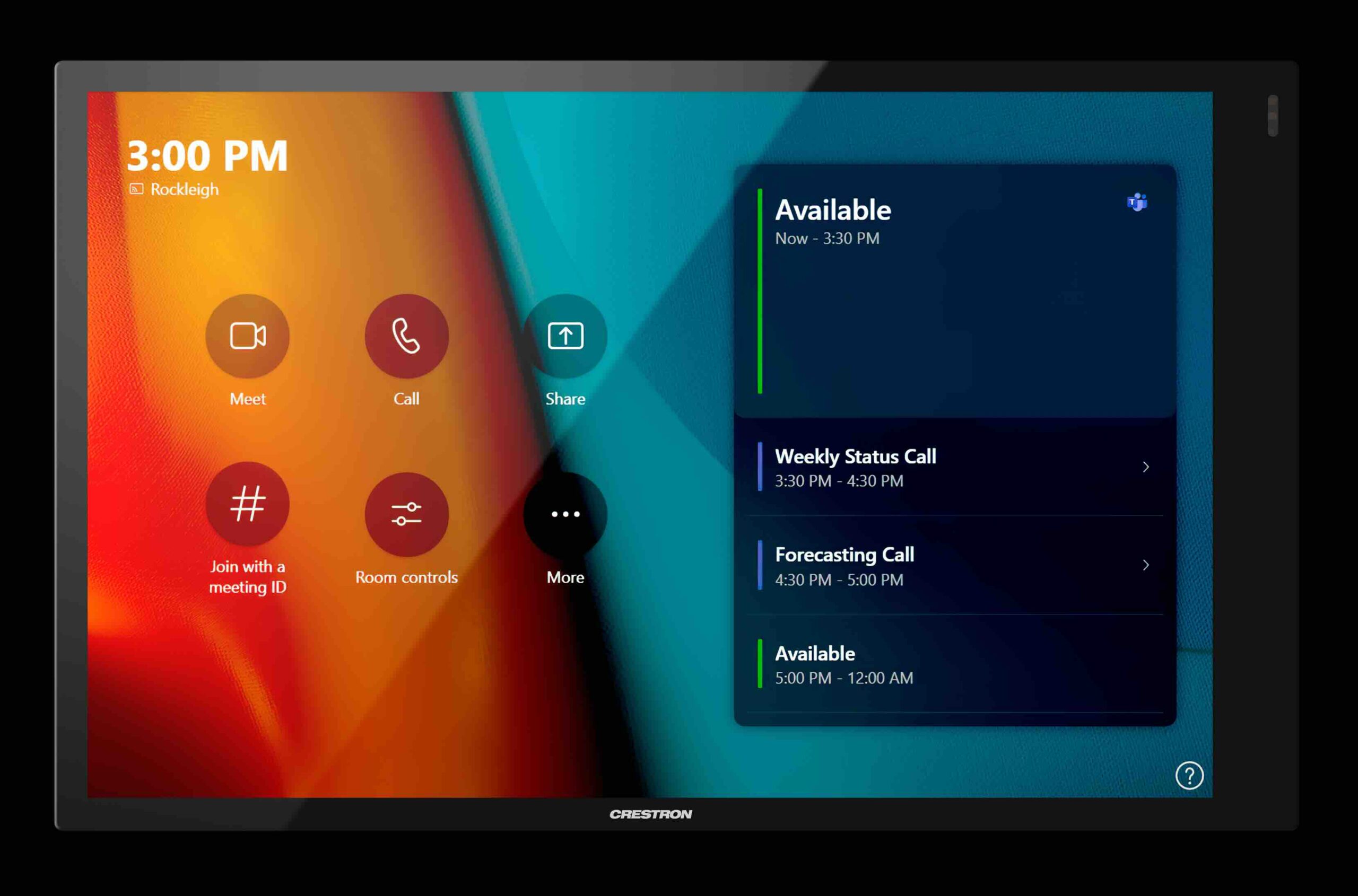
Savant and Crestron automation platforms maintain optimal temperatures automatically, adjusting for Colorado’s extreme swings. These systems don’t just hold a set point; they anticipate weather patterns and adjust proactively. When overnight temperatures drop unexpectedly, the system increases heat output before pipes reach freezing risk.
During extended vacancies, intelligent climate control delivers 20-30% energy savings by reducing heating and cooling when unoccupied while maintaining minimum safe temperatures. For properties over 7,500 square feet, this translates to $10,000-$20,000 in annual utility savings.
The system monitors itself continuously. If the furnace cycles too frequently or fails to reach temperature, you receive instant alerts. Remote diagnostics often resolve issues without requiring a service call to remote mountain locations.
Environmental Monitoring
Temperature sensors throughout the property detect localized cold spots that indicate potential pipe freezing. Humidity sensors identify moisture accumulation that precedes mold growth or signals leaks. Water sensors near water heaters, under sinks, and in mechanical rooms trigger immediate alerts and can activate automatic shutoff valves.
This layered monitoring catches problems in early stages. A gradual temperature decline in a basement mechanical room might indicate failing insulation or a developing HVAC issue. Addressing it remotely prevents the cascade of failures that lead to frozen pipes and flooding.
Security Integration
Cameras with AI detection reduce false alarms by 80% while providing real-time monitoring. Motion sensors distinguish between normal activity and intrusion. Smart locks track access by property managers and service providers.
Lutron automated shading creates occupied appearance by varying lighting and shade positions throughout evening hours. Integration with whole-home automation enables sophisticated “occupied” simulations that vary daily patterns, deterring opportunistic break-ins.
The system logs every access event. You know exactly when property managers entered, which rooms they accessed, and how long they stayed. This transparency builds trust and provides documentation if questions arise.
Energy Management
Smart thermostats, Lutron lighting controls, and automated systems deliver 10-30% energy reduction even during vacancy. This matters particularly for properties over 7,500 square feet facing Colorado’s new tiered energy efficiency codes effective July 2026.
The system automatically enters “away mode” when you leave, reducing energy consumption by 40-60% while maintaining protective minimum temperatures. Lighting reduces to security-only zones. HVAC shifts to setback temperatures. Entertainment systems power down completely.
Geofencing triggers “arrival mode” as you approach the property. Thirty minutes before you arrive, the system begins warming or cooling the house to comfortable temperatures, activating lighting scenes, and preparing entertainment systems. You walk into a fully prepared home, not a cold vacant structure.
Altitude-Optimized Installation: Why Standard Approaches Fail
Installing smart home systems at 8,000-10,000 feet demands specialized expertise. The reduced air density at altitude affects everything from equipment cooling to wireless signal propagation.
Standard AV equipment racks rely on convection cooling. At altitude, reduced air density decreases cooling efficiency by 15-20%. Equipment designed for sea-level operation runs hotter, experiences accelerated wear, and fails prematurely. Proper installation includes enhanced ventilation systems, strategic rack design, and thermal management that accounts for altitude effects.
Wireless systems face unique challenges. Lower atmospheric pressure affects radio frequency propagation. Mountain homes feature heavy timber construction and stone walls that further attenuate signals. Network design must account for these factors, often requiring additional access points and strategic placement to ensure reliable coverage.
Colorado’s freeze-thaw cycles create another challenge. Denver experiences 105 annual cycles; mountain locations see even more. Temperature swings of 29°F across the freezing point stress connections, mounting hardware, and sealed components. Professional installation includes weatherproofing methods, connection protection, and mounting techniques designed for extreme conditions.
Financial Analysis: Protection vs. Recovery Costs
A comprehensive smart home system for a luxury mountain property typically ranges from $50,000 to $100,000. This investment covers climate control automation, security integration, environmental monitoring, lighting control, and network infrastructure.
Compare this to average insurance claims. Frozen pipe damage alone frequently exceeds $75,000 once repairs, mold remediation, and content restoration are factored. Water damage to custom finishes, artwork, and furnishings can easily reach $200,000 or more.
Insurance covers direct damage but not consequential losses. The six weeks you lose while your property undergoes restoration can’t be recovered. The stress of managing remote construction and dealing with insurance adjusters has no price tag. The risk to irreplaceable family heirlooms and custom architectural details can’t be fully insured.
Smart home systems shift the equation from reactive recovery to proactive protection. You prevent problems rather than repair them. Even a single prevented incident justifies the investment.
The systems also deliver ongoing value during occupancy. Integrated lighting, entertainment, climate control, and security enhance daily living. The same infrastructure protecting your vacant property creates seamless experiences when you’re in residence.
Remote Management: Control From Anywhere
Modern smart home platforms enable comprehensive remote management via smartphone or tablet. From anywhere in the world, you control every aspect of your property’s operation.
Temperature adjustment takes seconds. If you decide to arrive earlier than planned, increase heating three hours before departure. Your home reaches comfortable temperature by arrival. If you extend your stay elsewhere, reduce heating to energy-saving setback temperatures remotely.
Security cameras provide live views on demand. Check any room instantly. Review recorded footage if alerts trigger. Verify property managers completed scheduled visits. Confirm contractors accessed only authorized areas.
Environmental monitoring delivers constant feedback. Current temperature and humidity readings for every room appear on your phone. Historical data shows trends over time. You identify developing issues before they become emergencies.
Lighting and shading control enables virtual property checks. Cycle through rooms, adjusting lights and shades to inspect for visible issues. Create occupied appearance by activating specific scenes remotely when suspicious activity is reported nearby.
The system tracks energy consumption in real-time. Unexpected spikes indicate potential problems. Gradually increasing usage might signal failing HVAC efficiency or developing issues requiring attention.
Integration With Property Management
Property managers appreciate integrated systems because they simplify oversight. Rather than maintaining separate monitoring contracts for various services, a single platform consolidates everything.
Managers receive the same alerts you do. They respond to issues during normal business hours, escalating emergencies to you only when necessary. Access logs document their visits automatically, providing accountability without manual reporting.
The system enables remote guidance. When managers report issues, you can review camera footage, check sensor readings, and provide specific instructions based on real data rather than verbal descriptions.
For managers overseeing multiple properties, the efficiency gains are significant. They prioritize visits based on actual system alerts rather than predetermined schedules. Properties requiring attention get immediate response while well-functioning systems require only periodic verification.
System Reliability During Extended Dormancy
Systems protecting vacant properties must operate flawlessly after months of non-use. This demands different design approaches than systems in year-round occupied homes.
Network infrastructure requires enterprise-grade components. Consumer routers may work fine with daily use but can lock up after months of continuous operation. Professional-grade networking equipment includes watchdog functions that automatically reset if problems develop.
Battery backup systems protect against power outages. Mountain locations experience more frequent outages than urban areas. Backup power keeps monitoring systems operational during brief outages and enables graceful shutdown during extended power loss.
Regular remote testing ensures system health. Xssentials’ remote management platform includes automated health checks that verify all components are functioning correctly. Monthly tests confirm sensors respond properly, cameras capture clear images, and automation sequences execute correctly.
Firmware updates occur remotely. Systems receive security patches and feature enhancements without requiring on-site visits. This keeps your property’s technology current without scheduling complications.
Preparing for Arrival
The difference between walking into a vacant house and arriving at a prepared home is dramatic. Geofencing technology makes this seamless.
As your phone enters a defined radius around the property, the system begins preparation. Thermostats adjust to comfortable temperatures. Hot water heaters switch to active mode. Exterior lighting activates for evening arrivals. Your preferred arrival scene brings the house to life.
The system can coordinate with other services. Grocery delivery services receive notification of your impending arrival. Property managers receive alerts to complete final preparations. Service providers know to schedule any needed appointments during your occupancy window.
Upon arrival, you walk into a comfortable, fully functional home rather than a cold structure requiring hours to warm up. Entertainment systems are ready to use. Lighting scenes are set. Climate is comfortable. Your vacation begins immediately rather than after setup and preparation.
Making the Investment Decision
Protecting a multi-million dollar mountain property with a $75,000 smart home system represents less than 1% of property value while delivering comprehensive protection. The question isn’t whether you can afford the investment; it’s whether you can afford the risk of going without it.
Consider your property’s specific vulnerabilities. How remote is the location? What’s the typical response time for service providers? How frequently can property managers physically inspect? What risks concern you most: frozen pipes, security breaches, equipment failure, energy waste?
Discuss your patterns with professionals experienced in second-home challenges. How many months annually will the property sit vacant? Do you travel internationally where time zones complicate emergency response? Do multiple family members need access at varying times?
The right system design addresses your specific situation. A property occupied six months annually requires different solutions than one used only for holiday weeks. A home three hours from a major city has different service access than one in a remote mountain valley.
Taking Action
Start with a comprehensive property technology assessment. Experienced integrators evaluate your current systems, identify vulnerabilities specific to Colorado’s climate and your usage patterns, and recommend solutions appropriate for your needs and budget.
The assessment considers your property’s unique characteristics: elevation, exposure, construction materials, existing systems, occupancy patterns, and specific concerns. This analysis creates the foundation for system design that addresses your priorities.
Design happens collaboratively. You define what matters most: security, freeze protection, energy management, convenience, entertainment. Professional integrators translate these priorities into integrated systems using platforms and components proven reliable in Colorado’s demanding environment.
Installation timing matters. If your property requires remodeling or updates, integrating smart home infrastructure during construction delivers better results at lower cost than retrofit. But even existing homes benefit from well-designed systems.
Training ensures you maximize your investment. Understanding how to use your system’s capabilities, access features remotely, and interpret alerts makes the difference between a system that protects and one that frustrates.
Your mountain retreat represents significant investment, careful design, and irreplaceable memories. Protecting it during the months you’re away shouldn’t feel like gambling on luck and hoping property managers catch problems in time.
Integrated smart home systems transform that uncertainty into confidence. You know your property is monitored constantly, protected comprehensively, and ready to welcome you home whenever you choose to arrive.