Your client walks into the meeting with a simple request: “I want a smart home.”
Those four words launch a cascade of decisions that will affect every trade on the project. Which devices? Which protocol? Who installs? Who supports? And increasingly in Colorado, which systems will help meet the new energy codes taking effect in July 2026?
The good news: a universal protocol called Matter now connects over 5,000 certified devices across brands. The challenge: interoperability solved one problem while revealing another. Homeowners can finally mix Apple, Google, Amazon, and Samsung devices on a single network. But 52% of DIY smart home users still report setup and connectivity issues, according to Parks Associates research.
For builders managing luxury mountain homes, the question has shifted from “can these devices work together?” to “who makes them work reliably for the next decade?”
The Three Tiers of Smart Home Integration
Not every project needs the same approach. A 2,500 square foot spec home has different requirements than a 12,000 square foot custom residence that will sit vacant eight months per year. Understanding the tiers helps match solutions to client needs.
Tier One: DIY Matter-Based Systems
Matter-certified devices from major retailers offer genuine convenience at accessible price points. A homeowner can purchase smart switches, thermostats, locks, and cameras, then control everything through a single app on their phone.
Where this works well:
- Primary residences with tech-savvy owners
- Smaller homes under 3,000 square feet
- Clients who enjoy configuring their own systems
- Projects with tight technology budgets
Where this falls short:
- Homes vacant for extended periods
- Properties requiring remote management
- Projects over 5,000 square feet facing Colorado’s 2026 energy code requirements
- Clients who want technology to disappear into the background
The hidden cost appears when something goes wrong. Without professional monitoring, a homeowner in Texas may not know their Colorado mountain home lost connectivity until the pipe burst notification arrives three days late.
Tier Two: Professionally Installed Matter Systems
Some integrators now offer professionally designed and installed systems using Matter-compatible devices. This middle path provides better network architecture and initial configuration than DIY, with lower cost than full custom automation.
Where this works well:
- Clients who want professional installation without enterprise-level systems
- Projects with moderate automation needs
- Homes with reliable on-site management
Where this falls short:
- Remote vacation properties requiring active monitoring
- Homes where energy code compliance demands verified performance data
- Clients expecting concierge-level ongoing support
Tier Three: Custom Automation Platforms
Platforms like Control4, Savant, and Crestron deliver something fundamentally different: a unified ecosystem where every device, scene, and automation runs through a purpose-built processor. These systems offer remote management, proactive monitoring, and professional support throughout the home’s lifetime.
Where this works well:
- Luxury residences over 5,000 square feet
- Second homes with vacancy periods
- Projects requiring documented energy compliance
- Clients who expect technology to work invisibly
- Properties where callbacks would damage builder reputation
Where this falls short:
- Budget-constrained projects under $20,000 for technology
- Clients who prefer managing their own systems
Why Colorado Projects Face Unique Pressures
Building at altitude creates challenges that don’t appear in specification sheets. Equipment running at 8,000 feet operates with less air for cooling. Systems in remote locations need to function without hands-on troubleshooting. And the compressed May-through-October building season in mountain communities leaves little room for technology-related delays.
The Energy Code Factor
Colorado’s Model Low Energy and Carbon Code takes effect in July 2026. Homes between 5,000 and 7,500 square feet will need to exceed baseline efficiency by 7-10%. Properties over 7,500 square feet face even stricter requirements.
Smart controls now offer a documented compliance pathway. Automated lighting, intelligent thermostats, and motorized shading provide measurable energy reductions that help projects meet code while delivering genuine client value. The $41,000 average budget for whole-home technology, according to NKBA/CEDIA research, covers comprehensive systems that address both lifestyle and regulatory requirements.
The Vacancy Challenge
Resort communities throughout Colorado show vacancy rates between 36% and 66%. These properties need systems that protect investments during extended absences, then activate seamlessly when owners arrive.
A DIY system might notify a homeowner about a dropped sensor. A professionally managed platform identifies the issue, diagnoses the cause, and often resolves it remotely before the homeowner needs to think about it. When pipes are at risk during a February cold snap, that difference matters enormously.
The Support Question
Parks Associates found that 29% of consumers who attempt DIY smart home installation ultimately call professionals anyway. Another 44% of smart home owners used professional installation for at least one device.
For builders, the callback creates a different kind of cost. When a frustrated homeowner experiences connectivity issues six months after move-in, they call the builder first. Professional integration with ongoing support shifts that responsibility to specialists who can resolve issues quickly, protecting both the homeowner experience and the builder’s reputation.
A Decision Framework for Builders
Consider these factors when recommending smart home approaches to clients:
Property Size and Complexity Homes under 3,000 square feet with straightforward layouts can work well with simpler systems. Properties over 5,000 square feet, especially those with multiple structures, typically benefit from unified automation platforms that coordinate zones, scenes, and schedules across the entire estate.
Occupancy Patterns Primary residences allow owners to troubleshoot issues in person. Second homes demand systems that function reliably during extended vacancies and provide remote visibility when something needs attention.
Client Technology Comfort Some clients enjoy configuring devices and creating automations. Others want technology that works invisibly without requiring their attention. Matching the approach to the client prevents frustration on both sides.
Energy Code Requirements Projects approaching 5,000 square feet should consider how technology choices affect code compliance. Verified, documented performance from professional systems provides a cleaner compliance path than aggregated DIY devices.
Budget Allocation NKBA/CEDIA research shows homeowners allocating an average of 20% of project budgets to smart home integration, with average budgets exceeding $41,000 for whole-home systems. This investment level supports comprehensive professional solutions.
When to Bring Integration Into the Conversation
The most expensive words in construction: “We’ll figure out the technology later.”
Waiting until finish selections to address low-voltage infrastructure creates cascading problems. Walls close without proper wire runs. Electrical panels lack capacity for automation equipment. Network closets get squeezed into afterthought spaces with inadequate ventilation.
Schematic Design Phase
This is the ideal moment to establish technology scope. Understanding whether a project will include distributed audio, automated shading, lighting control, and surveillance shapes infrastructure requirements that affect architectural decisions.
Design Development
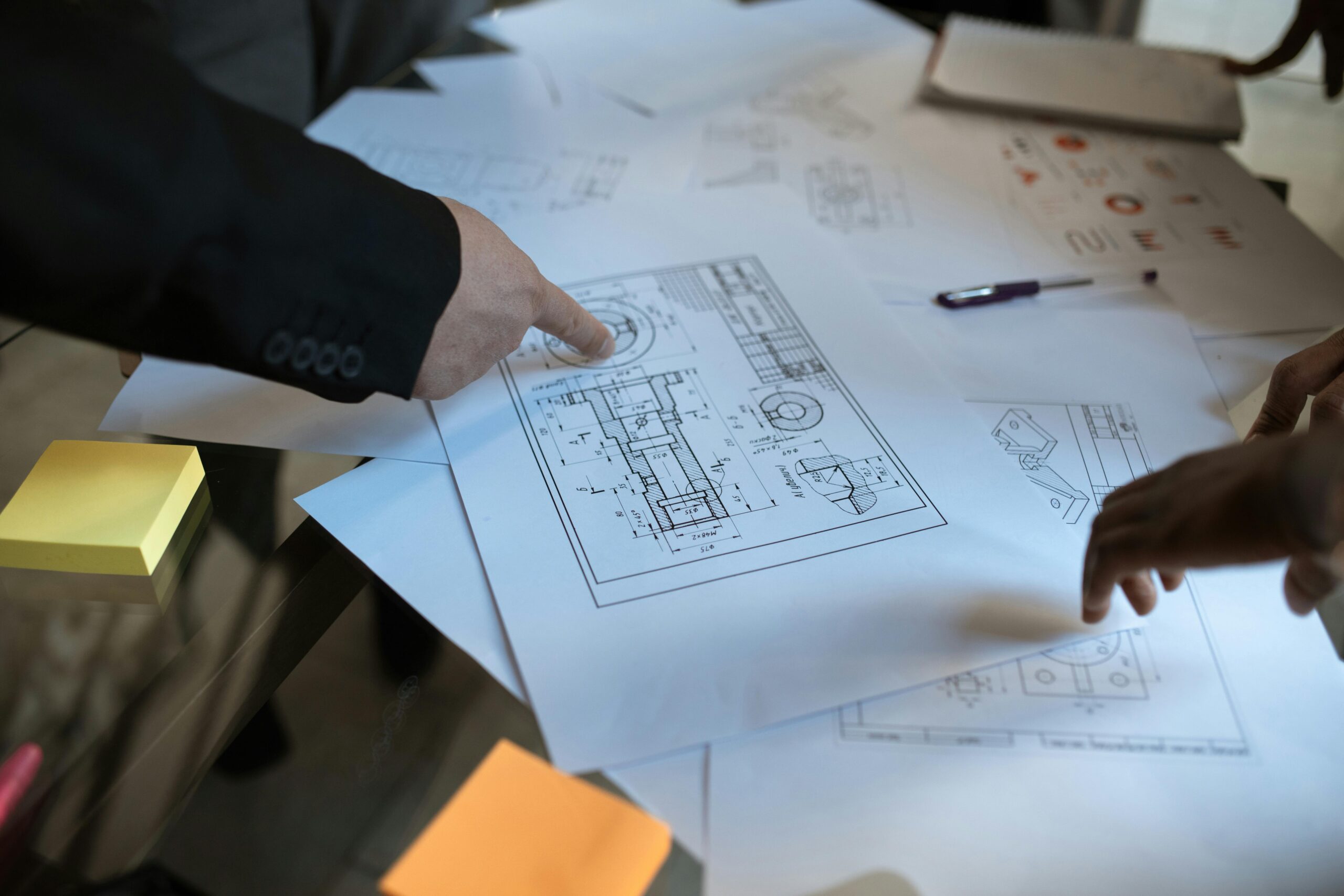
During this phase, integrate low-voltage plans with electrical and structural drawings. Specify rack locations with appropriate power and cooling. Coordinate speaker, display, and control device placement with interior design.
Construction Documents
Include detailed technology specifications that purchasing teams can bid accurately. Document conduit paths, junction box locations, and equipment rough-in requirements.
Construction Phase
Maintain coordination between technology installers and other trades. Schedule inspections at appropriate milestones. Plan for programming and commissioning before substantial completion.
The Professional Installation Advantage
Parks Associates data shows professionally installed smart home devices earning a Net Promoter Score of 49, compared to 41 for self-installed devices. That gap represents the difference between clients who recommend their builder and clients who share frustration stories.
Professional integration provides several benefits that DIY approaches struggle to match:
Coordinated infrastructure planning ensures wire runs, equipment locations, and network architecture support current needs while allowing future expansion.
Expert configuration creates reliable automations, optimized network performance, and intuitive user interfaces that work the way clients expect.
Ongoing support means issues get resolved quickly by specialists who understand the system, rather than becoming builder callbacks or homeowner frustrations.
Remote monitoring catches problems before they become emergencies, particularly valuable for properties with extended vacancy periods.
Documentation provides the compliance evidence that energy codes increasingly require, along with clear records for future service needs.
What Builders Should Expect From Integration Partners
A genuine partnership looks different from a vendor relationship. Look for integrators who:
Coordinate early and often. The best partners participate in design meetings, provide coordination drawings, and communicate proactively about schedule impacts.
Respect existing relationships. Quality integrators work with your preferred electricians, fixture suppliers, and other trades rather than demanding replacements.
Provide clear specifications. Detailed equipment lists, wire schedules, and infrastructure requirements allow accurate budgeting and prevent field surprises.
Deliver comprehensive training. New homeowners need to understand their systems. Thorough training sessions at move-in reduce confusion calls.
Stand behind their work. Meaningful warranties and responsive ongoing support protect both the homeowner and the builder’s reputation.
Moving Forward
The smart home conversation has evolved. Clients increasingly expect integrated technology. Colorado’s upcoming energy codes make intelligent controls strategically valuable. And the gap between DIY headaches and professional reliability continues to widen.
For builders, the question is no longer whether to address smart home integration, but how to do it in ways that deliver client satisfaction without creating project delays or callback obligations.
Early collaboration with experienced integration partners transforms technology from a variable into a known quantity. When low-voltage infrastructure gets coordinated with electrical plans during design development, when equipment locations account for mountain-specific thermal requirements, and when professional support ensures systems work reliably years after move-in, everyone benefits.
The technology will continue evolving. What remains constant is the value of partnership, planning, and professional execution.