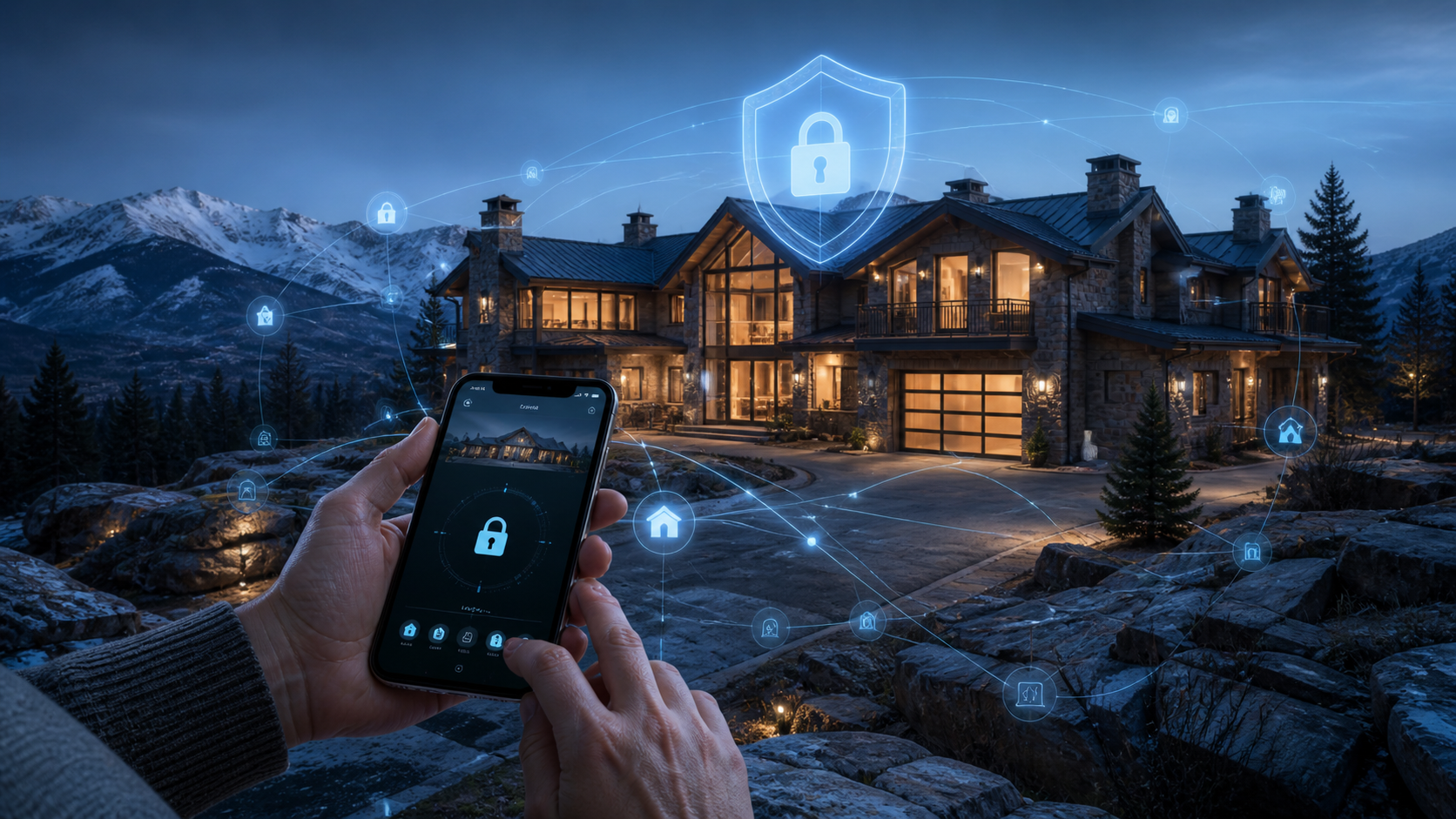
A luxury rental system answers to two people who want opposite things. The guest wants everything open, obvious, and effortless. The owner wants everything protected, controlled, and accountable. A property manager, caught between them, just wants the next turnover to go fast.
Most homes fail this test. They were designed for one household that knows every switch and setting. Drop a stranger into that home for three nights at a premium nightly rate, and the gap shows immediately. The guest fumbles with unfamiliar controls, or the owner exposes systems that a paying visitor should never touch.
Good automation resolves the conflict instead of choosing a side. The same system can feel wide open to the guest and stay firmly locked down for the owner. That balance is the entire discipline of rental technology, and it is where thoughtful integration earns its keep.
What the guest needs to feel
Premium rates set premium expectations. A guest paying top rates for a mountain home expects the technology to match the finishes. They also expect to understand it in thirty seconds, because nobody reads a manual on vacation.
The first impression does most of the work. A welcome scene that greets arrival with warm lighting, comfortable temperature, and open shades framing the view tells the guest they chose well. That moment sets the tone for the entire stay.
From there, simplicity rules. The guest should adjust lighting, temperature, shades, and music without a lesson. Savant handles this cleanly through guest mode, which presents an intuitive interface built for someone who has never seen the home before. Sonos delivers whole-home audio that anyone recognizes and controls on sight, so music follows the guest from kitchen to deck without a single question.
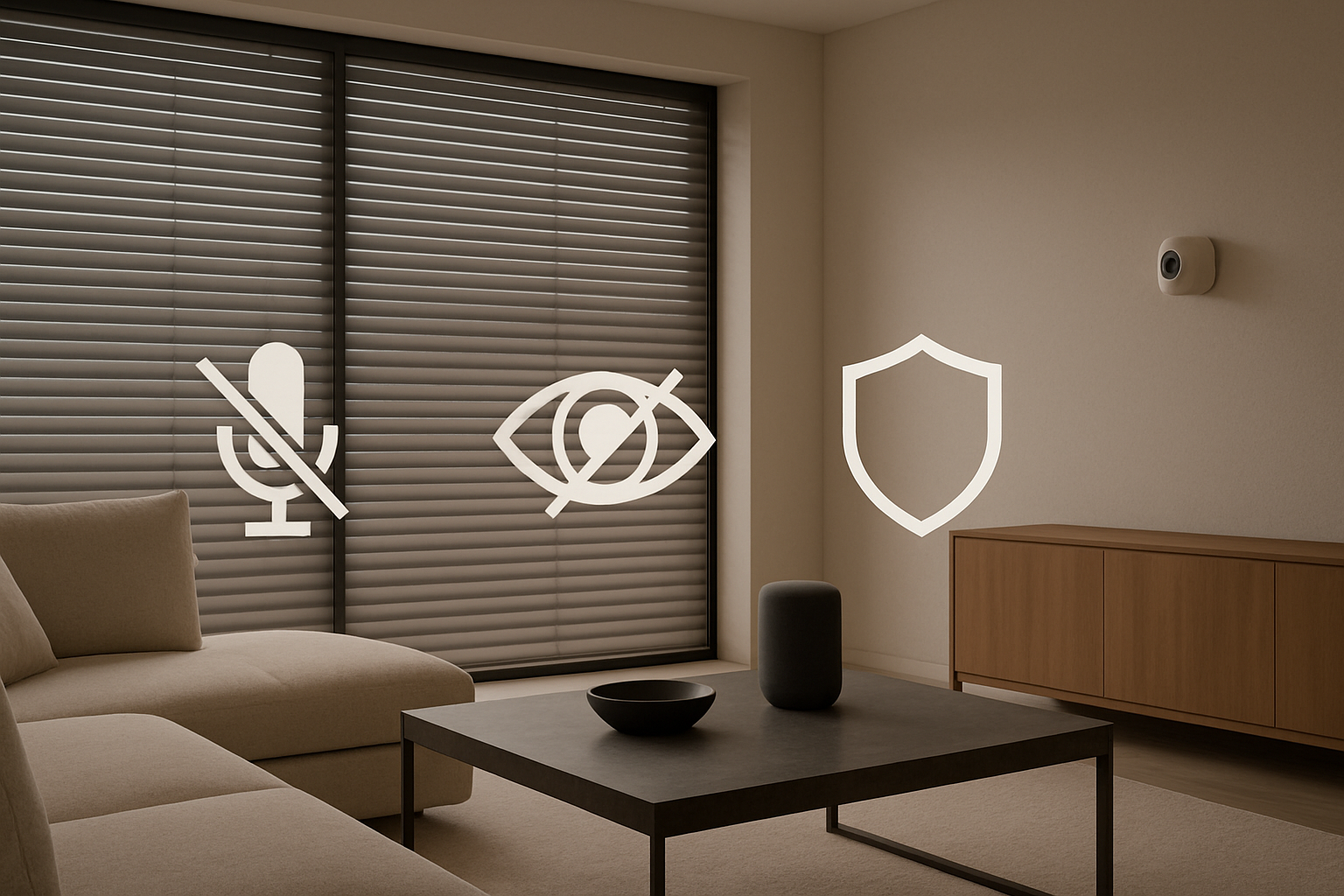
Privacy matters just as much as ease. Guests deserve genuine confidence that no one watches or listens inside the home. We design for that explicitly, and it shapes every camera and microphone decision on the property.
What the owner needs to protect
The owner sees the same home through a different lens. Every stay carries risk to a substantial asset, and the technology has to guard against it quietly.
Access control comes first. Guests should operate the home without ever reaching the settings that run it. Control4 excels here, offering a simplified guest experience while restricting the systems that matter: network configuration, security settings, and the automation logic itself. A guest enjoys full comfort and touches none of the controls that could break the home for the next arrival.
Temperature protection follows close behind. Rental guests left to their own devices set extremes that waste energy or, worse, invite frozen pipes when they leave a home cold in winter. Sensible limits prevent both. The system holds the home within a safe, efficient band no matter what a guest requests.
Furnishings need protection too. Lutron automated shading guards fabrics, flooring, and artwork from intense high-altitude sun, which reaches mountain homes with far more force than most properties ever face. Scenes keep those shades working correctly, so a guest cannot leave them open for days and expose expensive interiors while the home sits between bookings.
DMF Lighting adds ambiance and discipline at once. The fixtures create the premium atmosphere guests expect, while scenes return lights to baseline automatically, so a home is never left burning energy after checkout.
The cameras question, answered honestly
Owners often ask for interior cameras to protect the property. The honest answer is no. Major rental platforms now prohibit indoor cameras outright, and the legal and reputational risk is severe. A hidden or even disclosed indoor camera can end a listing and invite lawsuits.
The right approach protects the property without crossing that line. Exterior cameras at entries and driveways, clearly disclosed in the listing, deter problems and document arrivals and departures. Common outdoor areas can carry coverage where guests reasonably expect none in private spaces. This gives owners real security and gives guests the privacy they are entitled to, which protects the listing itself.
This is the kind of detail that separates a system designed for rentals from a home system aimed loosely at the same problem. The distinction matters, and it protects the owner from an expensive mistake.
Connectivity serves both masters
The network is where the two priorities meet most directly. Guests expect flawless streaming across every device they brought. Owners need those same guests kept entirely away from the systems that run the home.
A properly segmented network delivers both. Guests connect to an isolated wireless network with strong, reliable bandwidth for streaming, gaming, and video calls. That network sees none of the automation, security, or control systems, which live on a separate, protected segment. A guest enjoys full connectivity and can reach nothing they should not.
This matters more in mountain markets than most owners expect. Many properties rely on a single internet provider with limited bandwidth, so the network must manage traffic intelligently to keep a full house of guests satisfied. Sound design prioritizes the connection, prevents one device from starving the rest, and keeps the home’s own systems responsive even during heavy guest use.
Reliable connectivity also underpins everything else the property depends on. Remote monitoring, automated alerts, and management oversight all run on that backbone. When the network is designed for the demands of a rental rather than a single family, the whole operation holds together.
Turnover is where money is made or lost
The economics of a rental live in the gap between guests. A slow, error-prone turnover costs bookings and burns staff hours. Automation compresses that window.
A departure reset scene returns the home to baseline in one command. Lights drop to standby, shades resume their protective schedule, temperature shifts to an efficient setpoint, and audio silences. The property manager does not walk the house flipping switches, because the home resets itself.
Remote oversight closes the loop. Managers confirm conditions from a phone rather than a truck roll: temperature holding, no environmental alerts, systems normal and ready. Crestron brings genuine depth here, drawing on a heritage in commercial and hotel automation that maps directly onto rental operations. That commercial discipline shows in reliability, which is exactly what a revenue property demands.
The management interface stays deliberately simple. Cleaning and management staff need a clear, limited view that lets them do their jobs without navigating the full complexity of the home. Simplicity for staff reduces errors, and fewer errors mean faster, cleaner turnovers.
Automated alerts catch problems before a guest ever notices them. The system can flag a failing component, a climate reading drifting out of range, or a device that stops responding, and route that alert to the manager while the home sits empty. A small issue found between bookings is a quick fix. The same issue discovered by an arriving guest becomes a refund, a bad review, and a scramble.
The compliance layer mountain communities require
Short-term rentals in mountain communities operate under real regulation. Occupancy caps, noise limits, and quiet hours carry fines, and repeat violations can cost a permit. Technology helps owners stay on the right side of the rules.
Occupancy awareness supports compliance without surveilling guests. Systems can flag conditions that suggest a home is over its permitted occupancy, giving managers a chance to address it early. Noise monitoring, handled through decibel-level sensing rather than recording, alerts managers to quiet-hours issues before a neighbor complaint becomes a citation.
These tools protect the owner’s license to operate. In markets where a permit is hard to get and easy to lose, that protection carries real value.
The revenue case
Every dollar spent on rental technology should return more than it costs. It does so on three fronts.
Premium automation justifies premium positioning. A home that greets guests with a polished, effortless experience commands stronger rates and better reviews, and reviews drive the next booking. The technology becomes part of the amenity story that sets a listing apart.
Energy management trims operating costs on every night the home is occupied and every night it sits empty. Automated lighting, shading, and climate control reduce waste that manual operation never catches.
Preventive reliability reduces downtime. Remote monitoring and early alerts catch small problems before they cancel a booking. A canceled peak-season reservation costs far more than the system that prevents it.
The result is a property that earns more, costs less to run, and protects itself between guests. That is the standard we design toward for owners treating a mountain home as both a retreat and an investment.
Design a home that serves both masters
The owners who succeed in this market stop treating a rental as a home with a lockbox. They treat it as a hospitality operation that happens to be beautiful, and they build the technology to match.
If you rent a luxury mountain home, or plan to, schedule a vacation rental automation consultation. We design systems that optimize the guest experience, protect your asset, and simplify property management, so your home performs as well as an investment as it does as a retreat.