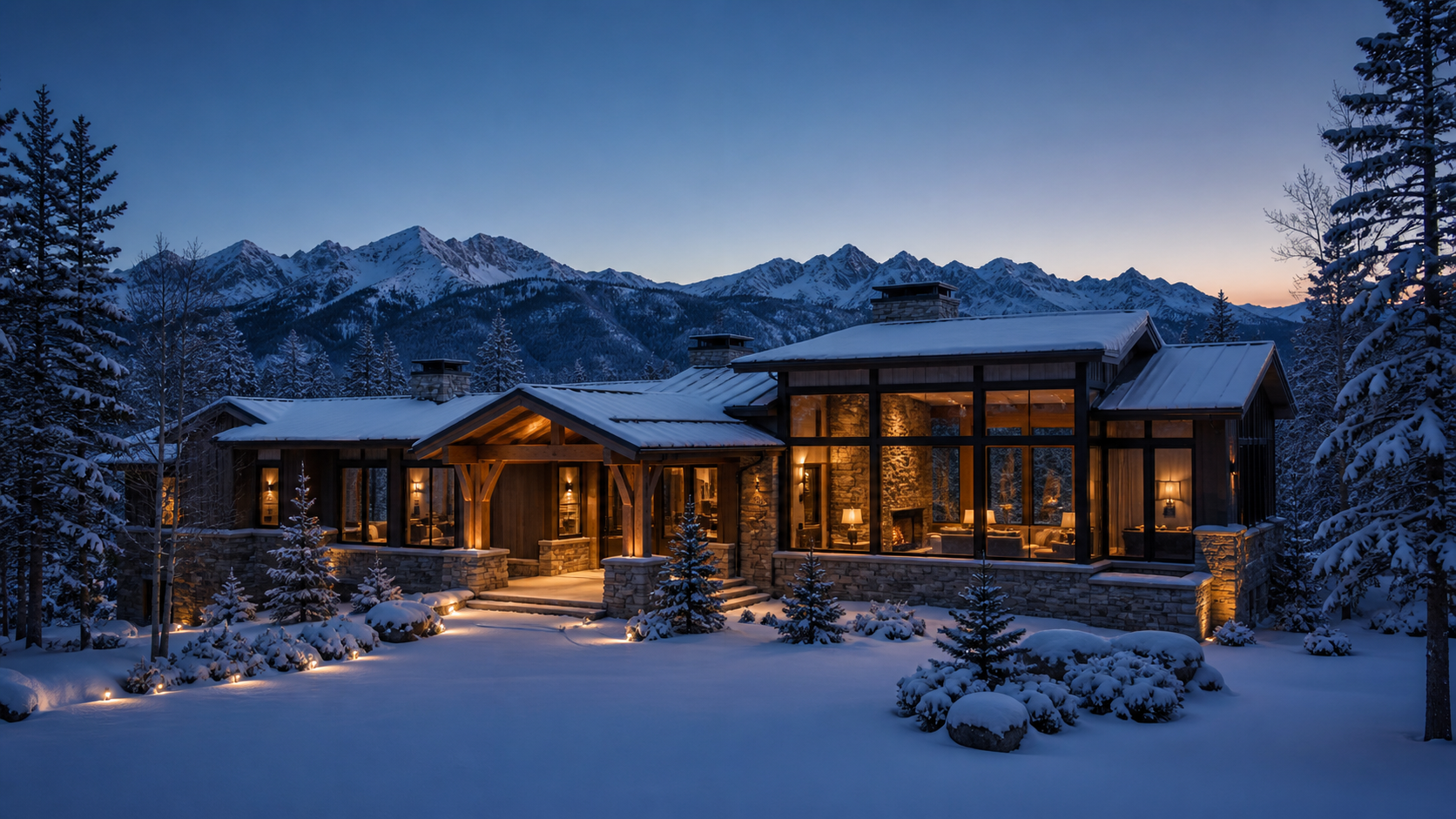
The call comes at 4 a.m. A neighbor noticed water sheeting down the stone facade of your Vail home. By the time anyone gets inside, the supply line that fed the upstairs primary bath has been spraying for nine hours. The hardwood floors are gone. The art on the floor below is gone. The insurance claim will eventually settle, but the place you loved enough to buy will be a construction site for the next eleven months.
Stories like that one aren’t rare in Colorado’s resort markets. They’re the predictable consequence of an asset class that sits empty most of the year, exposed to one of the most punishing climates in the country, monitored by systems designed for a 1990s suburban model of “security.”
In Pitkin County, vacancy rates reach 66 percent. In Eagle County, more than a third of homes sit unoccupied year-round. These aren’t homes that get a long weekend off. They’re homes that go dark for eight to ten months at a stretch, sometimes longer.
Traditional alarm systems were built for a different problem. They tell you someone broke a window. They don’t tell you the heat tape on your roof failed at 2 a.m. on a Tuesday in February, or that the housekeeper you’ve used for four years brought a new helper who hasn’t been vetted, or that your shades have been closed in exactly the same pattern for three weeks running and anyone watching from the road can see it.
Protecting a Colorado second home well means thinking in layers. Each layer is a different question. Together, they answer the only question that matters: when nobody’s home, what’s actually watching?
Layer One: Environmental Threats Are Security Threats
The most common cause of catastrophic damage to vacant Colorado homes isn’t theft. It’s water, ice, and smoke. A burst pipe in January costs more than a burglary almost every time. A small wildfire ember drawn through an open damper costs more than both.
We design environmental monitoring as the foundation of the security stack, not an add-on:
- Freeze detection at supply lines, exterior walls, attics, and crawl spaces, with automated heat response and main-water shutoff before pressure hits the rupture point
- Humidity tracking in basements and bathrooms to catch the slow leaks that grow mold instead of making news
- Smoke and particulate sensors tied to the HVAC system, so wildfire smoke triggers an automatic shutdown of fresh-air intake before the interior is uninhabitable
- Roof and skylight load sensors for properties at altitude, where snow accumulation and freeze-thaw cycles work against motorized openings and stone-clad chimneys
The integration matters more than any single sensor. When a freeze sensor on a remote zone goes off at 1 a.m., a properly configured Savant or Crestron system can raise that zone’s temperature, close exterior shades to add insulation, alert your phone, alert the property manager, and confirm shutoff status. All of that happens before a human looks at a screen.
Layer Two: Looking Occupied Without Being There
Opportunistic crime in resort markets follows a pattern. Watchers identify homes that are clearly unoccupied. They wait until they’re confident. Then they move.
The defense isn’t a louder alarm. It’s denying them confidence.
Lutron lighting and shading systems are the workhorses here, and the data on Xssentials’ deployments reflects that: Lutron is by a wide margin our most-installed product line. Used well, a HomeWorks system runs randomized but believable patterns. Living room lights come on around 6:15 one evening, 6:42 the next. Upstairs bedroom lights cycle the way a tired homeowner actually cycles them, not the way a 1980s vacation timer cycles them. Shades on the front elevation move on a different schedule from shades on the back.
DMF architectural lighting on the exterior carries the same logic outdoors. Path lighting and accent lighting that shifts subtly across the week reads as occupied to anyone who drives by twice. Static lighting reads as a calling card.
Audio matters too, in a way most people don’t expect. A Sonos system programmed to play music in the kitchen for thirty minutes at random points during the week creates exactly the audible cue a watcher is listening for: someone in the house, doing ordinary things.
None of this requires anyone to remember to turn anything on. The system runs the patterns. The owner forgets the system exists, which is the point.
Layer Three: Controlled Access for the People Who Do Come
Vacant doesn’t mean empty. Property managers come through. Housekeepers come through. The window washer comes once a quarter. HVAC service comes when the system flags itself. Each of those visits is a small risk, and most owners manage it the same way: by leaving a key in a lockbox and trusting everyone involved.
A better approach gives each visitor exactly the access they need, for exactly the time they need it, with a record.
- Time-limited access codes that expire automatically after a service window
- Per-person codes so the activity log shows who came in and when
- Camera coverage at primary entries that records arrivals and departures with bandwidth-efficient compression, so footage stays accessible over a mountain internet connection
- Restricted system control, so the housekeeper can disarm the entry door but cannot adjust the security configuration, view interior cameras, or change the thermostat schedule
Crestron and Control4 both handle this well, and we configure each platform around the actual workflow of the property. A two-residence client with a shared housekeeper gets one set of rules. A client who lets their kids’ friends use the place gets a different set. The technology should match the social reality, not the other way around.
Layer Four: Remote Eyes That Earn Their Bandwidth
Cameras are the part of the stack owners think about first. They’re also the part most likely to disappoint, because consumer-grade cameras designed for cul-de-sacs in Phoenix don’t survive a season at 9,000 feet.
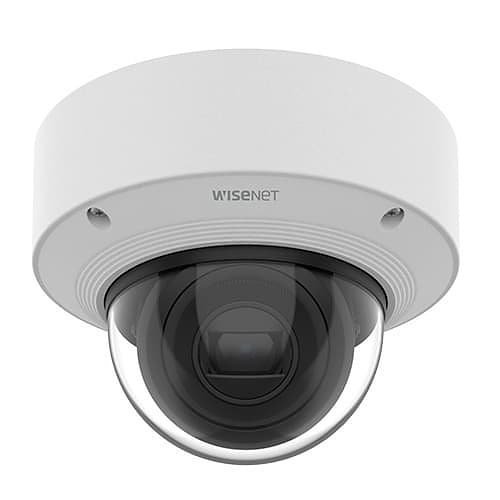
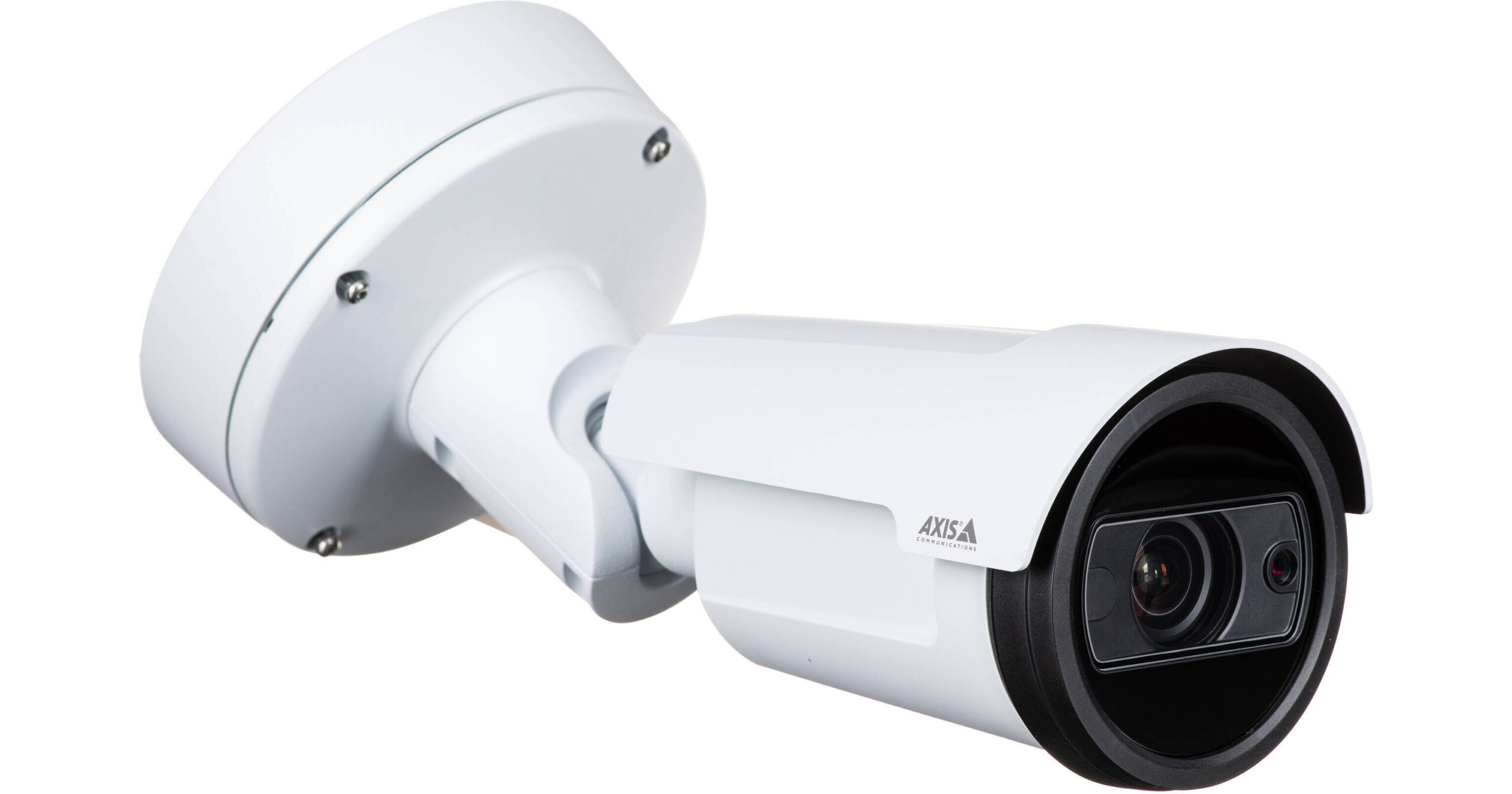
We specify Axis cameras across most of our second-home installations for a reason. They handle Colorado’s temperature swings without losing image quality, they integrate cleanly with the broader automation platform, and their compression keeps the video stream small enough to actually reach the owner’s phone over the kind of internet service available in mountain communities.
Placement matters as much as hardware. Coverage on entry points and key approaches earns its bandwidth. Wall-to-wall interior surveillance does not. It generates alert fatigue, raises legitimate privacy concerns with the staff who do come through, and turns into background noise the moment something actually happens.
The networking layer underneath the cameras matters too. We use Ruckus access points and Araknis switches because reliable remote access depends on equipment that doesn’t quietly fail in the months between visits. WattBox power management lets us reboot a misbehaving piece of gear from a thousand miles away without dispatching a truck up a mountain road in February. SurgeX protection on the rack absorbs the lightning hits and grid events that take out unprotected systems during summer thunderstorm season.
These are not glamorous components. They’re the reason the system still works the third year after installation, when the owner has stopped thinking about it.
Layer Five: Arriving Without Being Announced
The flip side of vacancy management is reactivation. After eight months away, walking into a cold, dark house with stale air is not the homecoming most owners are looking for. It also creates a security gap during the most predictable arrival window of the year.
A geofenced arrival sequence solves both problems quietly. As the owner crosses a perimeter set thirty or sixty minutes from the property, the system begins reactivation. Heat in occupied zones rises to comfort temperature. Driveway and walkway snow melt activates if conditions warrant. Exterior lighting shifts from vacancy patterns to welcome patterns. Shades open. Music starts in the kitchen.
By the time the owner pulls into the garage, the house has been reactivated without anyone announcing on social media or to a property manager that the family is en route. The arrival is invisible to anyone watching, and the experience is what the owner wanted when they bought the place.
The Integration Advantage
The reason all of this works as a single defensive posture, rather than five disconnected services that each generate their own bill and their own app, is integration.
When a freeze sensor trips, the system doesn’t just alert the owner. It raises the temperature in the affected zone, closes exterior shades to add insulation, triggers a camera snapshot of the area, notifies the local property manager, and logs the event. One trigger, coordinated response.
When a door opens at 11 p.m. on a Tuesday in March and the system has no scheduled visit on the calendar, the response is different but equally coordinated. Interior lights come up. A camera snapshot goes to the owner’s phone. The property manager and emergency contact both get a notification. The audio system cues a deterrence track if the event escalates.
This is the difference between owning a smart home and owning seven products that happen to live in the same building. A Savant or Crestron platform that ties environmental monitoring, lighting, shading, audio, cameras, access control, and HVAC into one decision tree gives a property manager something they can actually train on. It gives the owner something they can actually trust.
It also gives us, as the integrator, something we can support remotely. Most of the issues that come up on a properly designed system get resolved before the owner ever knows they happened.
What This Looks Like for Trade Partners
For architects and builders working on second-home projects, the practical implications come down to three decisions made early:
- Equipment room location and ventilation. Mountain altitude reduces the cooling efficiency of standard rack ventilation. We coordinate equipment room sizing and HVAC during design development, not finish.
- Network and conduit pathways. A property that needs reliable remote access for the next twenty years needs conduit pathways that allow for re-pulls and upgrades. The cost of getting this right at framing is a fraction of the cost of getting it wrong.
- Sensor and camera locations. Effective coverage depends on placement decisions that affect rough electrical and structural backing. These decisions belong on the construction documents, not on a punch list.
When we’re engaged at schematic design, the security stack becomes part of the architecture. When we’re engaged after drywall, it becomes a series of compromises.
Worth Doing Once, Worth Doing Right
A Colorado second home is an exposed asset by definition. The hours when nobody’s there outnumber the hours when someone is. The climate is harder on buildings than almost anywhere else in the country. The properties are often remote enough that response times to any emergency are measured in dozens of minutes, not minutes.
Layered automation doesn’t eliminate that exposure. It changes who’s watching during the unwatched hours, and it changes what happens in the first ninety seconds after something goes wrong. For most owners, that’s the difference between a story they laugh about later and a story that defines a year of their life.
If you’re in the planning phase on a new mountain home, or you’re rethinking how an existing property is protected during the long off-season, we’d welcome the conversation. We’ve spent two decades on these specific problems in these specific mountains, and the answer is almost always less complicated and more effective than what owners expect.